



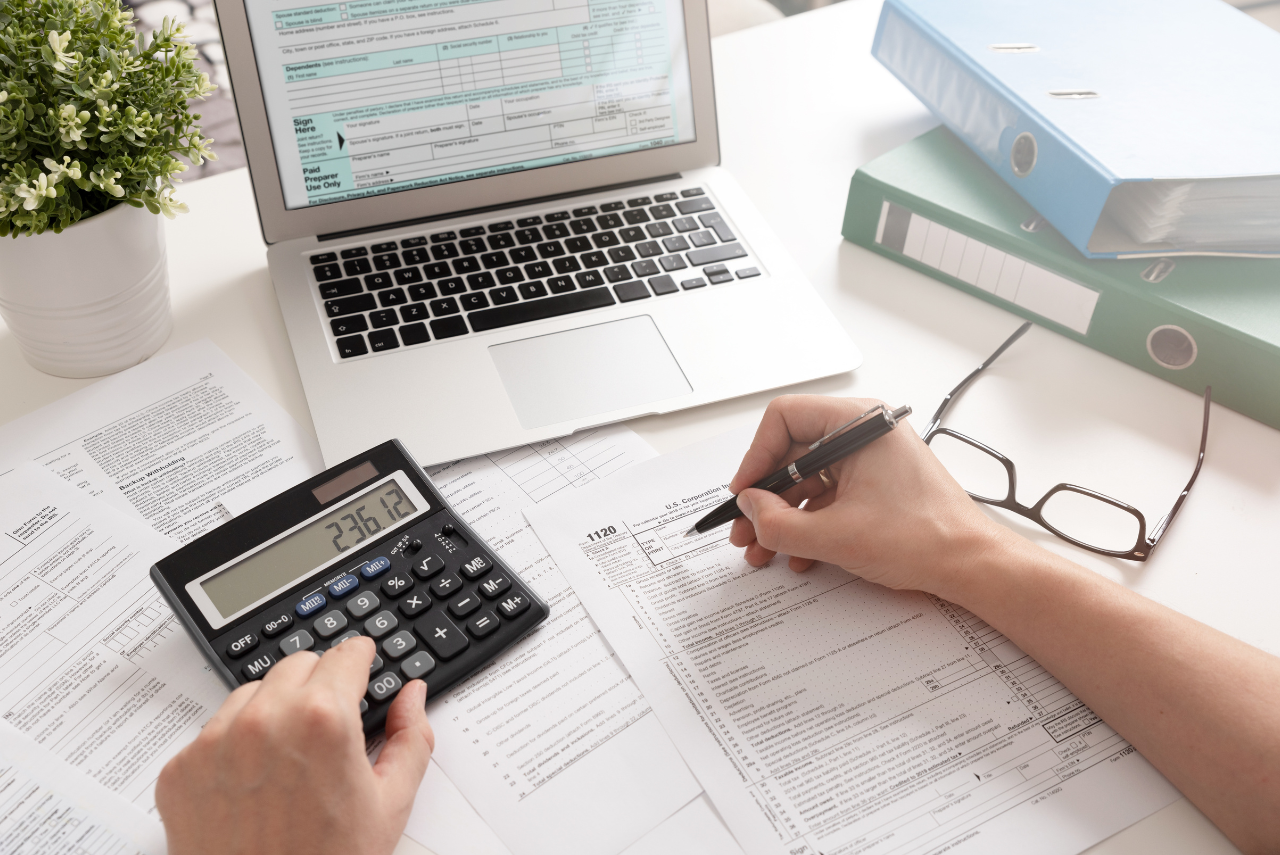


Tax planning is one of the most important financial responsibilities for small business owners. Proper tax planning not only helps businesses remain compliant with tax regulations but also allows owners to minimize liabilities and keep more of their hard-earned income. Instead of waiting until tax season, proactive planning throughout the year can make a significant difference in overall financial performance.
Understanding and applying effective tax strategies can help business owners manage cash flow, reduce unexpected tax burdens, and support long-term growth. Below are some of the most effective tax planning strategies small business owners should consider.
1. Choose the Right Business Structure
The legal structure of a business plays a major role in how taxes are calculated. Whether a business operates as a sole proprietorship, partnership, LLC, or S-Corporation, each structure has different tax implications.
For example, some small businesses benefit from electing S-Corporation status because it can help reduce self-employment taxes under certain circumstances. Choosing the right structure ensures that business income is taxed efficiently and aligns with the company’s financial goals.
Business owners should review their structure periodically to ensure it still provides the most favorable tax treatment as the business grows.
2. Keep Accurate Financial Records
Maintaining organized financial records is essential for effective tax planning. Accurate records help business owners track income, expenses, deductions, and financial performance throughout the year.
Well-organized accounting systems also make it easier to prepare tax returns, respond to potential audits, and identify opportunities for tax savings. Many businesses benefit from using accounting software or professional accounting services to keep their records consistent and up to date.
Proper documentation also ensures that deductible expenses are supported with the necessary financial records.
3. Take Advantage of Business Deductions
Many business expenses can be deducted from taxable income if they are considered ordinary and necessary for operating the business. Taking advantage of legitimate deductions can significantly reduce the overall tax burden.
Common deductible expenses may include:
- Office rent and utilities
- Business equipment and supplies
- Professional services such as accounting or legal fees
- Marketing and advertising costs
- Business travel and meals related to work
By tracking these expenses carefully, business owners can reduce taxable income and improve financial efficiency.
4. Plan for Quarterly Estimated Taxes
Unlike traditional employees, many small business owners are responsible for paying taxes throughout the year through quarterly estimated payments. Failing to make these payments can result in penalties and interest.
Planning ahead for estimated taxes helps business owners avoid unexpected financial stress during tax season. Setting aside a portion of income each month specifically for taxes can help maintain steady cash flow and prevent surprises.
Working with a tax professional can help determine the correct amount that should be paid each quarter.
5. Invest in Retirement Plans
Retirement planning can also serve as an effective tax strategy for business owners. Contributions to certain retirement accounts may reduce taxable income while helping owners prepare for long-term financial security.
Options such as SEP IRAs, Solo 401(k) plans, or other retirement savings accounts allow business owners to set aside funds for the future while receiving tax benefits in the present.
These plans not only support personal financial goals but also create opportunities for tax savings during the year.
6. Separate Personal and Business Finances
Mixing personal and business expenses can lead to accounting errors and potential tax complications. Maintaining separate bank accounts and credit cards for business activities helps ensure accurate financial tracking.
Separating finances also simplifies record keeping and allows business owners to clearly identify deductible business expenses. This practice improves financial transparency and reduces the risk of errors when preparing tax returns.
7. Work with a Tax Professional
Tax laws and regulations can be complex and constantly changing. Working with a qualified tax professional can help business owners identify opportunities for savings while ensuring compliance with current tax requirements.
A professional advisor can provide guidance on deductions, credits, financial planning, and tax strategies tailored to the specific needs of the business. This proactive approach allows business owners to focus on running their operations while maintaining confidence in their financial management.
8. Plan Ahead for Major Purchases
Timing large purchases strategically can also influence tax outcomes. Certain business equipment or assets may qualify for depreciation or other tax benefits depending on when they are purchased.
Planning these investments carefully allows businesses to maximize potential deductions while supporting operational growth.
Final Thoughts
Effective tax planning is not just about preparing tax returns once a year—it is an ongoing process that helps businesses stay financially organized and compliant. By choosing the right business structure, maintaining accurate records, taking advantage of deductions, and planning ahead for tax obligations, small business owners can reduce unnecessary tax burdens and improve financial stability.
Working with experienced tax and accounting professionals can also provide valuable guidance and ensure that businesses make informed financial decisions. With the right strategies in place, tax planning becomes a powerful tool for supporting long-term success and sustainable business growth.